Sump Pump Guide: Keeping a DC Basement Dry When It Matters Most
Primary pumps, battery backups and discharge lines — how sump systems work, why backups matter in DC storms, and the maintenance that keeps them ready.
Read the guide →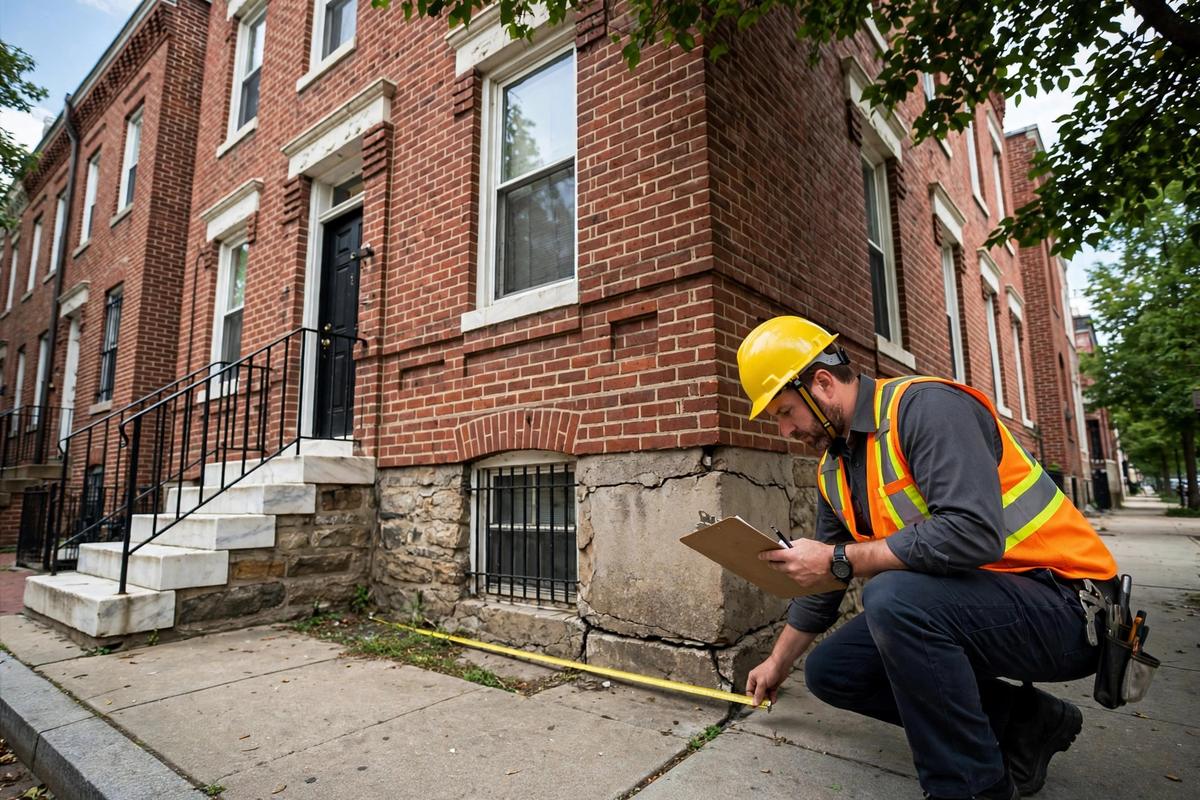
Much of the Washington region sits on soils with significant clay content, and clay has a personality: it swells as it absorbs water and shrinks as it dries. A foundation resting in that soil rides a slow seasonal elevator — up in wet periods, down in droughts. Over years, uneven movement is what cracks walls, racks doors and opens gaps. This guide explains how clay soil affects foundations in the DC area, the moisture patterns that make it worse, and the drainage and watering habits that keep soil moisture — and your foundation — steadier.
Clay particles absorb water between their layers, expanding the soil volume; in dry spells the soil contracts and can pull away from the foundation, leaving a visible gap along the wall. If moisture changes are uneven — wet on the shaded side, dry on the sunny side, soaked near a downspout, parched under a large tree — different parts of the foundation move by different amounts. It is the unevenness, more than the movement itself, that damages houses.
Roof runoff is the biggest controllable factor: gutters that overflow and downspouts that discharge at the foundation flood one zone while others stay dry. Yards graded toward the house, leaking water lines, and dense plantings against the wall add to the imbalance. Large trees near the house draw significant moisture from the soil in dry months, shrinking the ground beneath nearby footings. A foundation evaluation in clay country always includes a drainage and landscape review for exactly these reasons.
The goal is consistency, not maximum dryness: gutters kept clear, downspouts extended well away from the foundation, grading that sheds surface water, and drainage systems where the lot demands them. Some engineers also recommend maintaining steadier soil moisture during droughts rather than letting the ground fully desiccate against the foundation. What matters most is avoiding extremes at the wall line — the repeated flood-and-drought cycle is the engine of clay-related movement.
If settlement signs are present — stair-step cracks, sloping floors, sticking doors clustered on one side — drainage correction alone may not be enough; the footing may need stabilization with piers driven to soil below the active moisture zone. A provider's evaluation should separate cause from effect: piers stop the movement, drainage keeps the remaining soil honest, and cosmetic repairs come last. DC Foundation Pros can connect you with a local provider who will assess both the structure and the soil story behind it.
It is also worth remembering how much Washington housing varies within a few blocks. A single street can hold 1890s brick row houses on stone foundations, 1920s colonials on block, post-war homes on poured concrete and recent construction with modern drainage — each aging differently under the same weather. Clay content in the soil changes across the District as well, which is why two neighbors can have genuinely different foundation experiences. Local providers see that variety every week, and their pattern recognition matters: they know which neighborhoods sit on troublesome soil, which eras of construction used which foundation materials, and which repair methods have proven themselves on each. When you read general national advice about foundations, translate it through that local lens — or better, ask a provider who works in Washington to translate it for your address.
For the services behind this guide, start with our foundation services in Washington, DC overview, compare foundation repair with a professional foundation inspection, or go straight to foundation repair in Washington, DC on the homepage.
Whatever you decide, three habits protect homeowners: get the scope in writing with methods and areas named; clarify what happens if hidden conditions are found once work opens the wall or soil; and keep every document — evaluation, contract, diagrams, warranty papers — in one file for the day you sell or refinance. If you would like the first step handled for you, DC Foundation Pros exists for exactly that: call (202) 449-5049, describe your home and what you have noticed, and we will connect you with an independent local foundation provider. There is no obligation — just a shorter path from worry to a professional, documented opinion.
Calling DC Foundation Pros takes a few minutes. We ask what you have noticed — when it started, whether it is changing, which part of the house is involved — and where in Washington you are. We then match you with an independent local provider whose work fits the problem: repair, waterproofing, stabilization, drainage or evaluation. You speak with the provider directly, schedule the inspection at a time that suits you, and receive their findings and any proposal in writing. The decision to proceed, and every term of the work, is between you and the provider. The referral itself is free, the lines are answered around the clock, and there is no obligation at any point — the service exists to replace a week of searching and callbacks with one conversation.
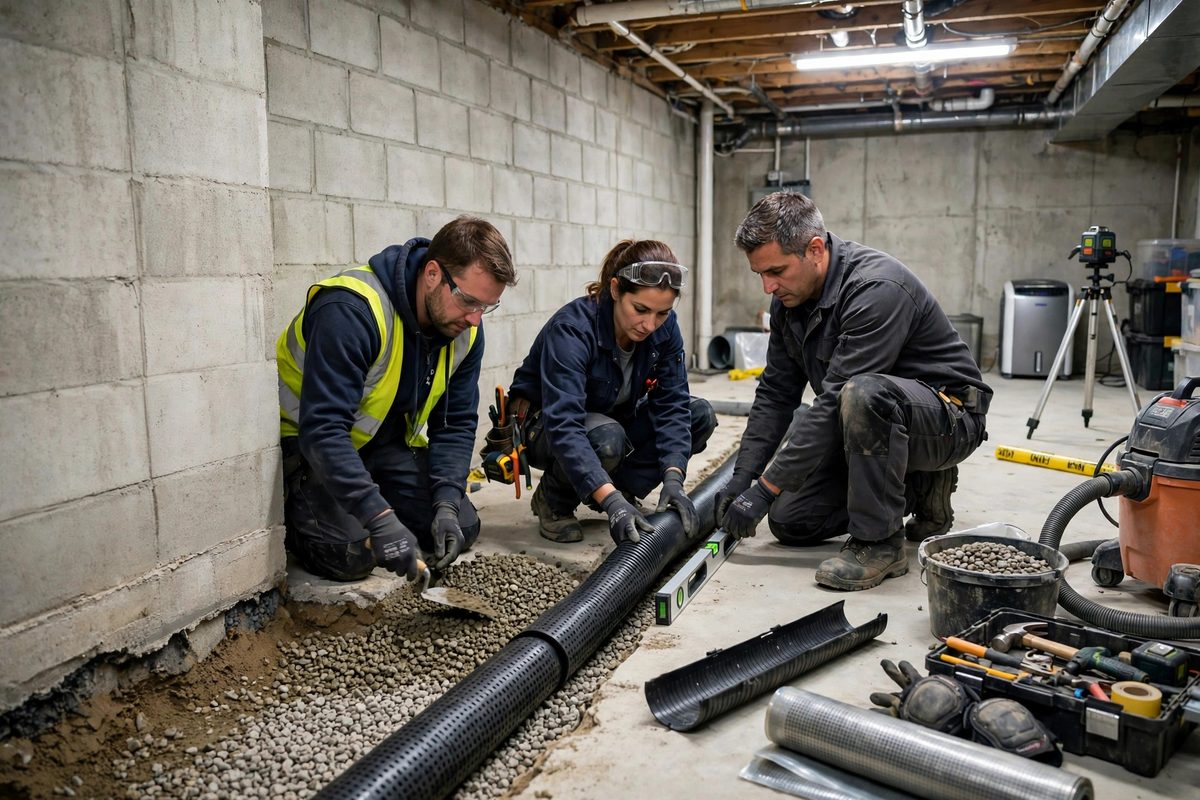
Primary pumps, battery backups and discharge lines — how sump systems work, why backups matter in DC storms, and the maintenance that keeps them ready.
Read the guide →
Interior systems, exterior membranes, drainage and sump pumps — how basement waterproofing actually works in DC homes and how to choose an approach.
Read the guide →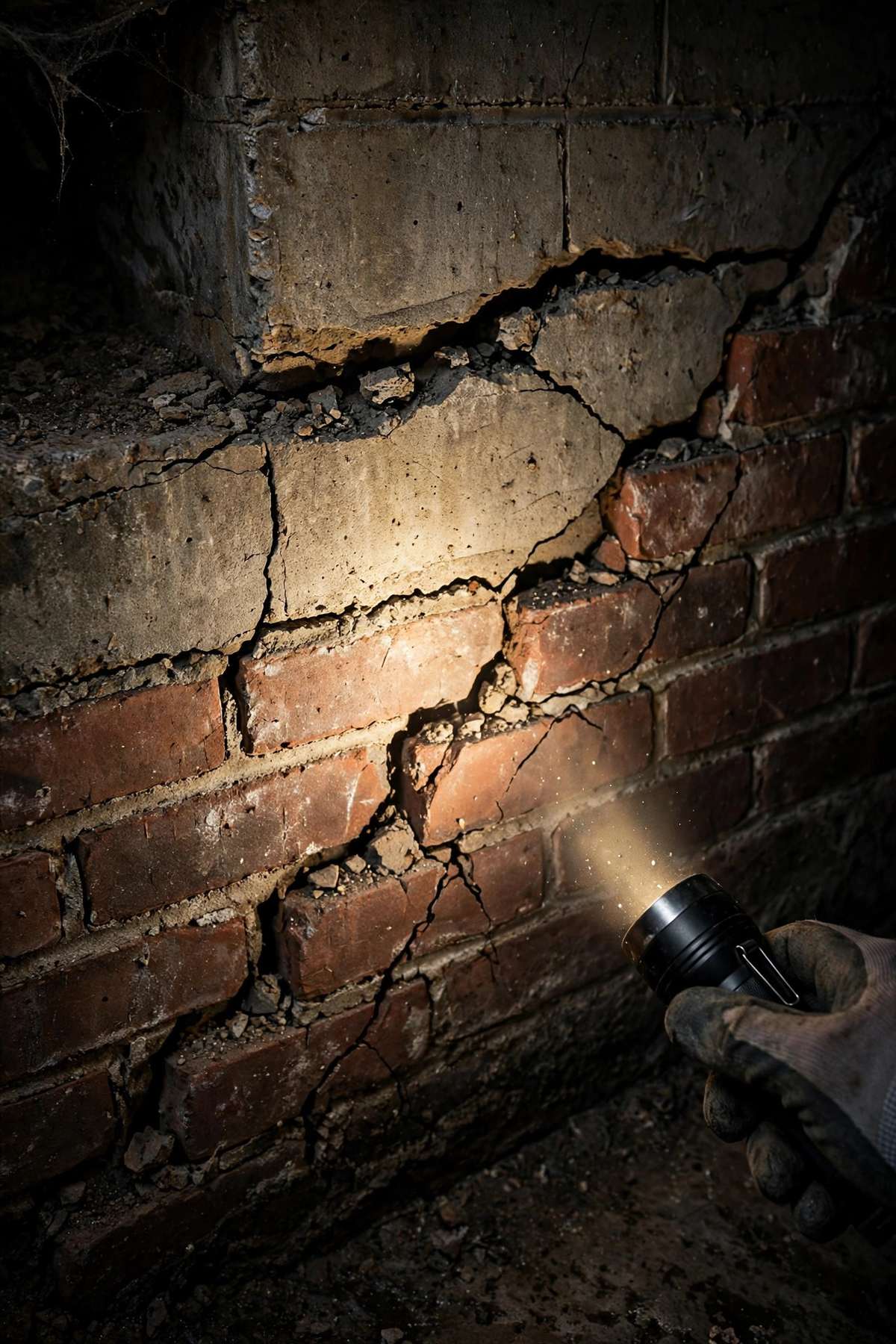
Crack direction tells a story. Vertical cracks often mean shrinkage, horizontal cracks mean pressure, and stair-step cracks mean movement — here is the full guide.
Read the guide → DC Foundation Pros
Call DC Foundation Pros now and we will connect you with an independent local foundation provider in Washington, DC — no pressure, no obligation. Lines are open 24/7.