Crawl Space Encapsulation: What It Is and Whether Your DC Home Needs It
Vapor barriers, sealed vents, drainage and dehumidification — how encapsulation turns a damp crawl space into a clean, dry part of the house.
Read the guide →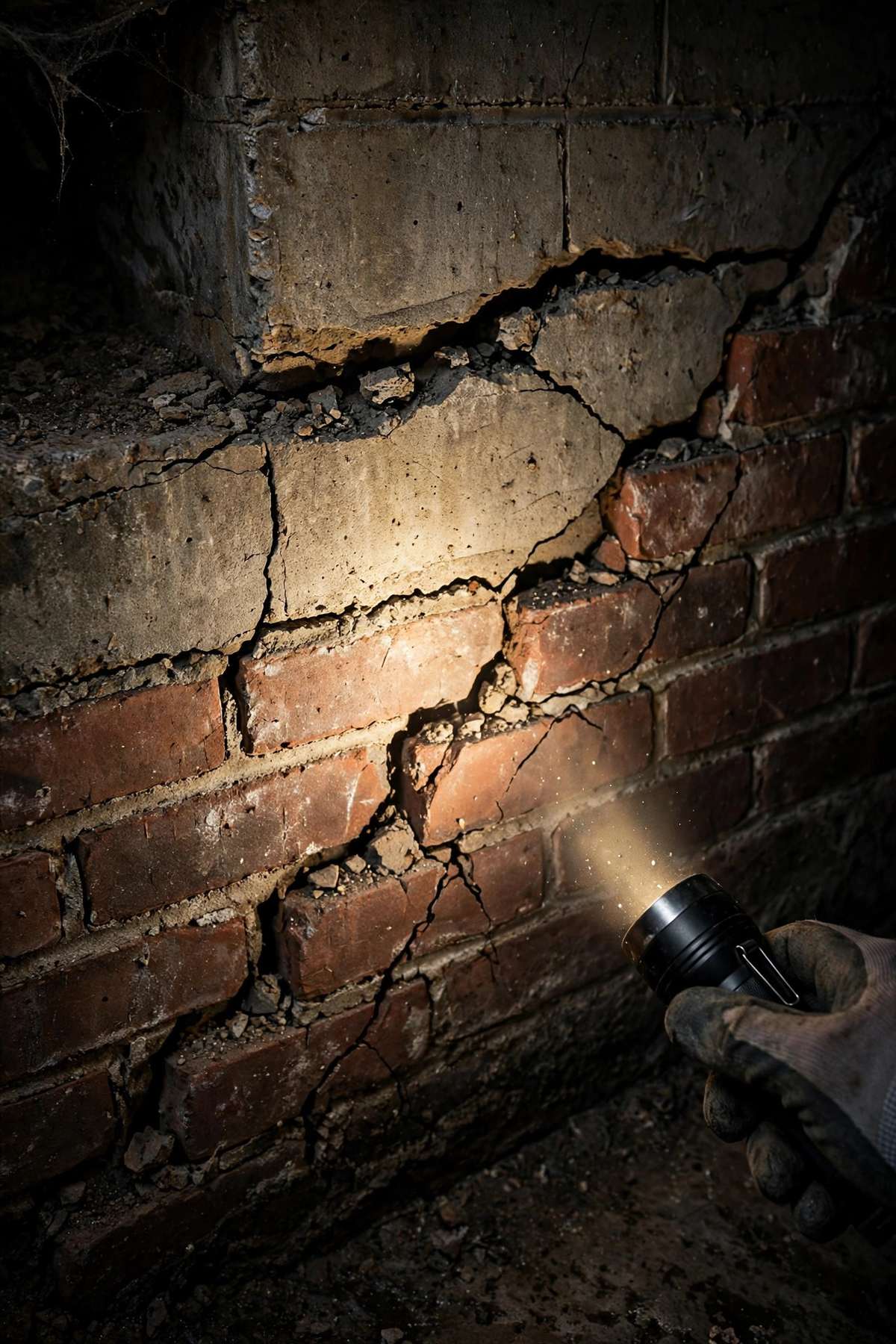
Foundations rarely fail suddenly. They settle slowly, and the house tells you — a door that suddenly sticks, a crack that grows along a mortar joint, a gap opening where the wall meets the ceiling. Some of those signs are cosmetic aging; others mean the soil under part of your foundation is no longer carrying its load. This guide walks through the common settlement signs Washington homeowners see, what each one usually means, and how to tell a watch-and-wait situation from one that needs a professional evaluation soon.
Hairline cracks in concrete or mortar are common as materials cure and age. Settlement cracks tend to be different: they run in a stair-step pattern through brick or block mortar, appear diagonally from the corners of windows and doors, or keep widening season after season. A simple test is to mark the ends of a crack with pencil and date it. If the line grows past your marks over the following months, the movement is active and worth an evaluation.
A settling foundation twists the frame of the house slightly, and doors and windows are the first to complain — latches stop aligning, windows bind, and gaps appear above frames. Floors may slope toward the settling side or feel soft and bouncy where support has dropped away. One sticky door after a humid week is weather. Several doors on the same side of the house sticking at once, with cracks nearby, is a pattern a foundation specialist should see.
Outside, look for gaps between the foundation and porches, steps pulling away from the house, chimneys leaning relative to the wall, and soil that has dropped along the foundation line. Inside, check for trim separating from walls and cabinets pulling away. Settlement is usually uneven — one part of the foundation sinks while the rest stays — which is why the symptoms cluster on one side or corner rather than appearing evenly everywhere.
Call sooner when cracks are wider than a pencil eraser, when you can slide a finger into a gap, when doors stop closing entirely, or when new signs appear quickly after heavy rain or drought. An evaluation documents the elevations of your floors, maps the cracks and identifies whether the cause is soil, water or structural — the three questions that decide whether the fix is monitoring, drainage correction or stabilization with piers.
It is also worth remembering how much Washington housing varies within a few blocks. A single street can hold 1890s brick row houses on stone foundations, 1920s colonials on block, post-war homes on poured concrete and recent construction with modern drainage — each aging differently under the same weather. Clay content in the soil changes across the District as well, which is why two neighbors can have genuinely different foundation experiences. Local providers see that variety every week, and their pattern recognition matters: they know which neighborhoods sit on troublesome soil, which eras of construction used which foundation materials, and which repair methods have proven themselves on each. When you read general national advice about foundations, translate it through that local lens — or better, ask a provider who works in Washington to translate it for your address.
For the services behind this guide, start with our foundation services in Washington, DC overview, compare foundation repair with a professional foundation inspection, or go straight to foundation repair in Washington, DC on the homepage.
Whatever you decide, three habits protect homeowners: get the scope in writing with methods and areas named; clarify what happens if hidden conditions are found once work opens the wall or soil; and keep every document — evaluation, contract, diagrams, warranty papers — in one file for the day you sell or refinance. If you would like the first step handled for you, DC Foundation Pros exists for exactly that: call (202) 449-5049, describe your home and what you have noticed, and we will connect you with an independent local foundation provider. There is no obligation — just a shorter path from worry to a professional, documented opinion.
Calling DC Foundation Pros takes a few minutes. We ask what you have noticed — when it started, whether it is changing, which part of the house is involved — and where in Washington you are. We then match you with an independent local provider whose work fits the problem: repair, waterproofing, stabilization, drainage or evaluation. You speak with the provider directly, schedule the inspection at a time that suits you, and receive their findings and any proposal in writing. The decision to proceed, and every term of the work, is between you and the provider. The referral itself is free, the lines are answered around the clock, and there is no obligation at any point — the service exists to replace a week of searching and callbacks with one conversation.
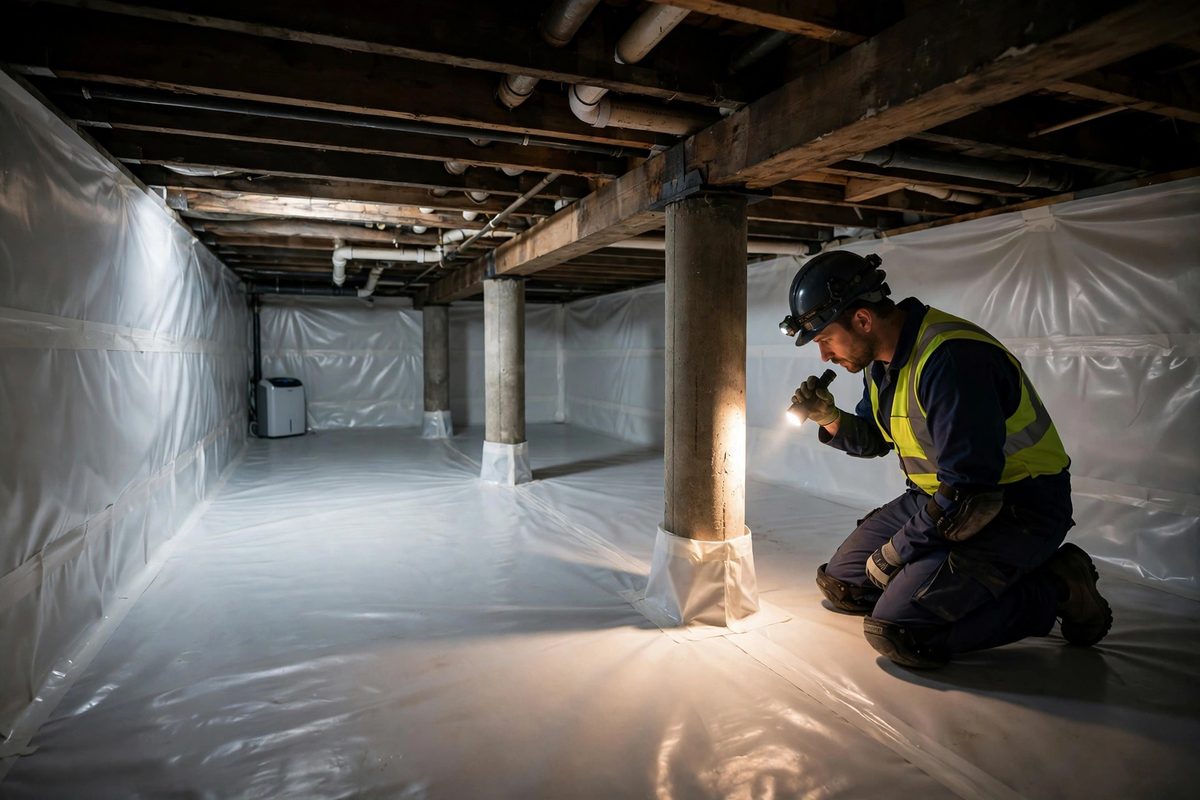
Vapor barriers, sealed vents, drainage and dehumidification — how encapsulation turns a damp crawl space into a clean, dry part of the house.
Read the guide →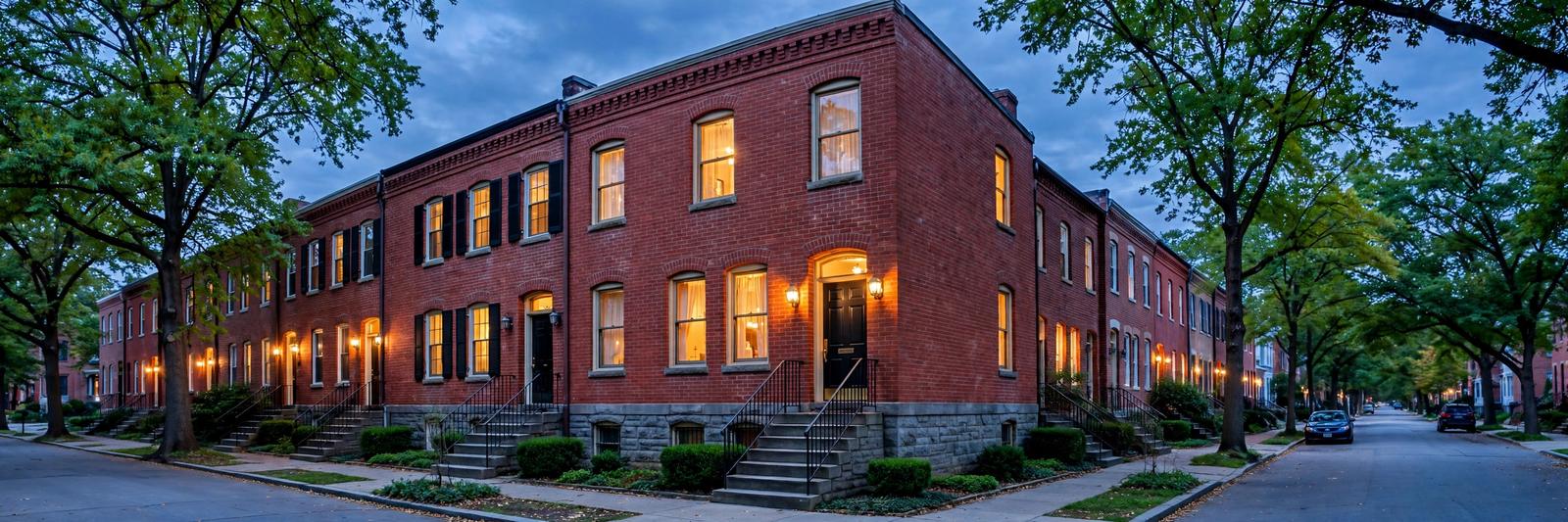
Rubble stone and brick foundations carry many of Washington's oldest houses. How they work, how they fail, and how they should be repaired.
Read the guide →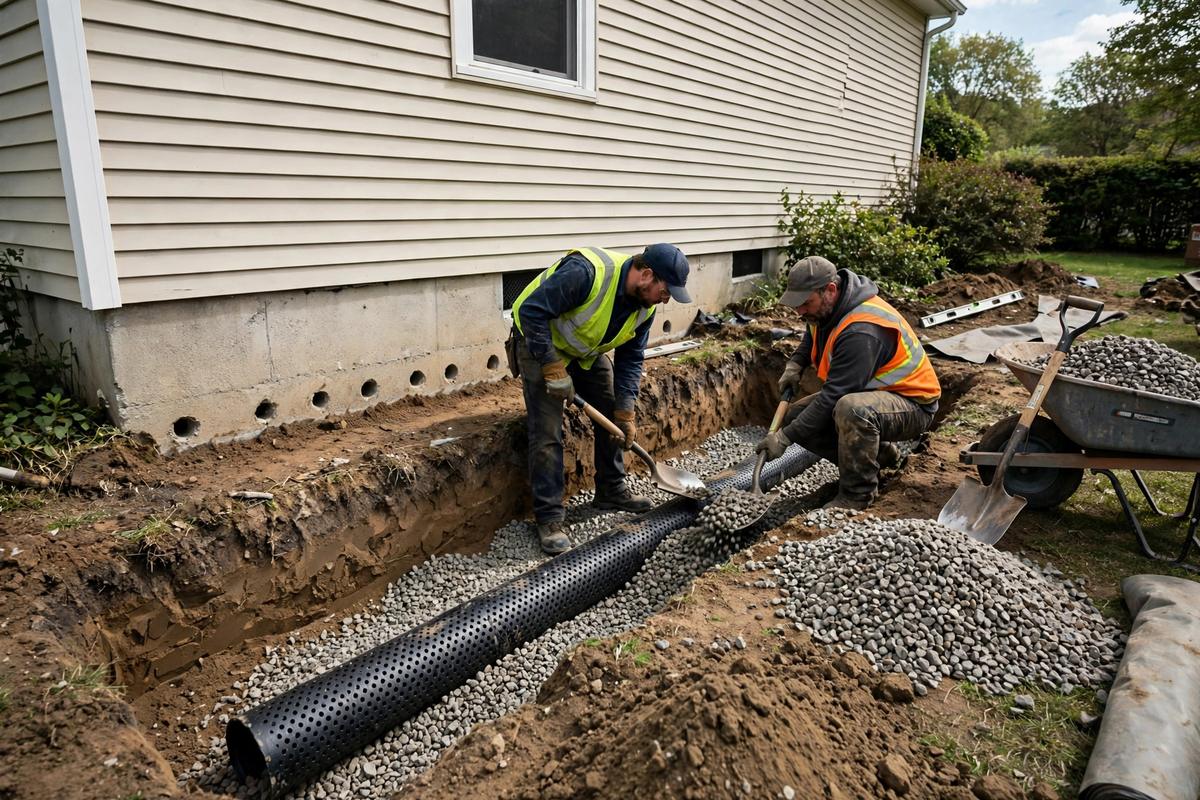
A perforated pipe, gravel and gravity: how French drains intercept water before it reaches your foundation, and where they work best.
Read the guide → DC Foundation Pros
Call DC Foundation Pros now and we will connect you with an independent local foundation provider in Washington, DC — no pressure, no obligation. Lines are open 24/7.