Stone Foundations in Old DC Homes: Care, Repair and Repointing
Rubble stone and brick foundations carry many of Washington's oldest houses. How they work, how they fail, and how they should be repaired.
Read the guide →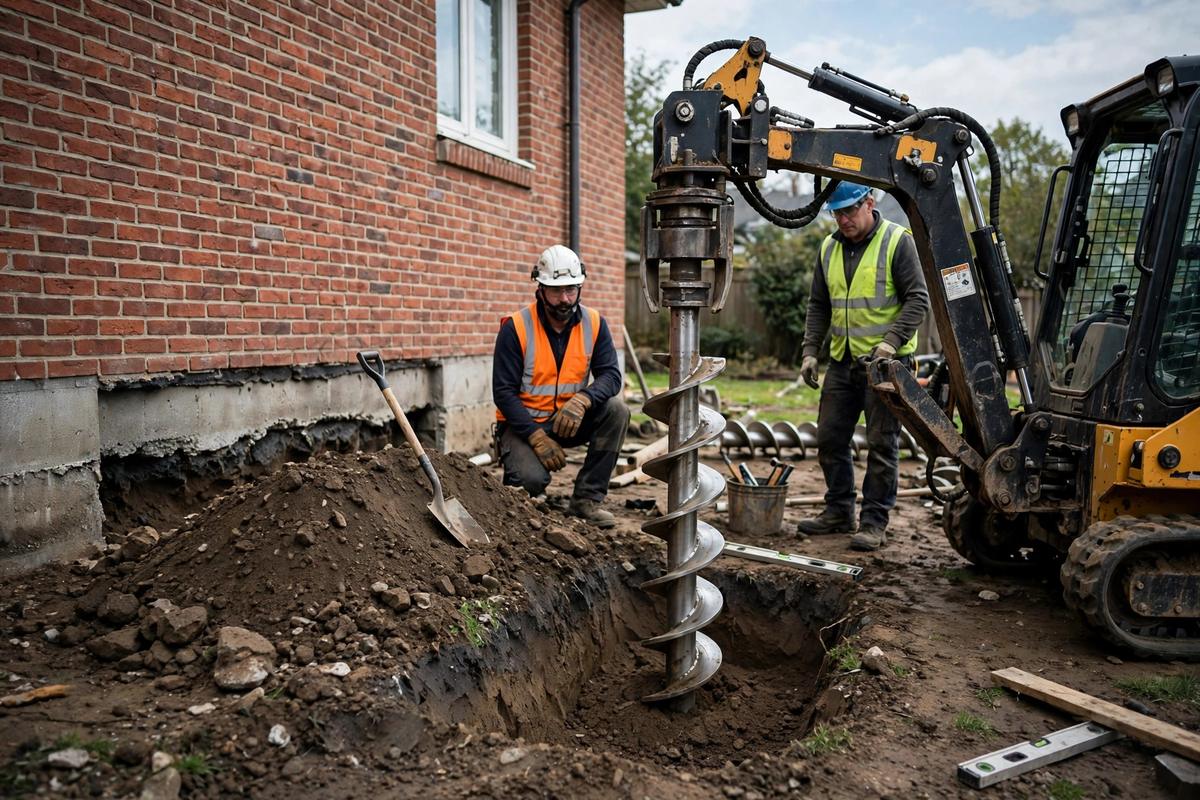
'How long will this take?' is a fair question with a genuinely variable answer: foundation work ranges from a few hours of crack injection to multi-week structural projects with excavation, permits and inspections. Knowing the typical shape of each project type — and what legitimately extends it — helps Washington homeowners plan around work, judge proposals, and recognize when a promised timeline is realistic. This guide walks through the main project types and the stages that make up their schedules.
Crack injection, minor sealing, sump pump replacement and small concrete lifting jobs are commonly completed in a single visit. Even so, the clock includes diagnosis: a provider who spends the first part of the appointment confirming the crack is non-structural, or that the pump pit and discharge are sound, is protecting you from a fast but wrong repair. Expect these jobs to be scheduled within days to a couple of weeks depending on the provider's calendar, faster when water is actively entering.
Installing helical or push piers around a home section usually takes several days of on-site work: excavation at each pier location, installation to verified depth or capacity, the lift or stabilization sequence, backfill and basic site restoration. Permits and inspections, weather, hand-digging requirements in tight DC side yards, and the discovery of utilities or deteriorated sections can extend the schedule. A written proposal should name the expected duration and the staging, including when the yard will be usable again.
Interior drainage systems typically take several days — perimeter trenching, channel and sump installation, concrete restoration — plus cure time before heavy use of the floor. Exterior waterproofing with excavation runs longer, weather permitting. Wall reinforcement with carbon fiber is comparatively fast; anchor systems take longer for the yard work and any staged straightening. In all cases, finishing work you plan afterward — flooring, paneling, cosmetic crack repair — should be scheduled after the structural and water systems prove themselves through real rain.
It separates working days from total calendar time, names the permit and inspection steps, states what the crew needs from you (access, cleared basement walls, moved storage), and builds in weather reality for exterior work. Beware identical one-day promises for every scope — that is a sales script, not a schedule. A provider reached through DC Foundation Pros will walk your project, measure the scope, and give you a timeline tied to your house rather than a slogan.
Washington adds local wrinkles to every foundation topic on this page. Much of the District's housing predates poured-concrete foundations: brick and rubble-stone foundation walls, shared party walls in row houses, and cellars that were never designed as living space now serve as finished lower levels. Soils across much of the city carry clay that swells when wet and shrinks in drought, and winters cycle through freeze and thaw often enough to ratchet small cracks wider season after season. Intense summer downpours complete the picture, delivering roof and yard water faster than aging drainage can move it. Advice that ignores those conditions misses the point — the right choice for a Capitol Hill row house is not automatically the right choice for a detached home in Chevy Chase, and any provider worth hiring will ask about your specific house, its era and its walls before recommending a direction.
For the services behind this guide, start with our foundation services in Washington, DC overview, compare foundation repair with a professional foundation inspection, or go straight to foundation repair in Washington, DC on the homepage.
Nearly every foundation question eventually becomes a choice between repair, stabilization, waterproofing or monitoring — and the wrong sequence wastes money. Cosmetic repairs made before movement is stabilized simply fail again; waterproofing installed against the wrong water source disappoints; piers installed where drainage correction would have sufficed overspend the problem. The reliable order is diagnosis first: measured elevations, mapped cracks, an identified water source, and a written statement of whether the condition is active or historical. With that in hand, the options price themselves honestly, and you can compare providers on identical scope. Insist on documentation rather than adjectives — a provider who measures and photographs is a provider whose recommendation you can test.
Calling DC Foundation Pros takes a few minutes. We ask what you have noticed — when it started, whether it is changing, which part of the house is involved — and where in Washington you are. We then match you with an independent local provider whose work fits the problem: repair, waterproofing, stabilization, drainage or evaluation. You speak with the provider directly, schedule the inspection at a time that suits you, and receive their findings and any proposal in writing. The decision to proceed, and every term of the work, is between you and the provider. The referral itself is free, the lines are answered around the clock, and there is no obligation at any point — the service exists to replace a week of searching and callbacks with one conversation.
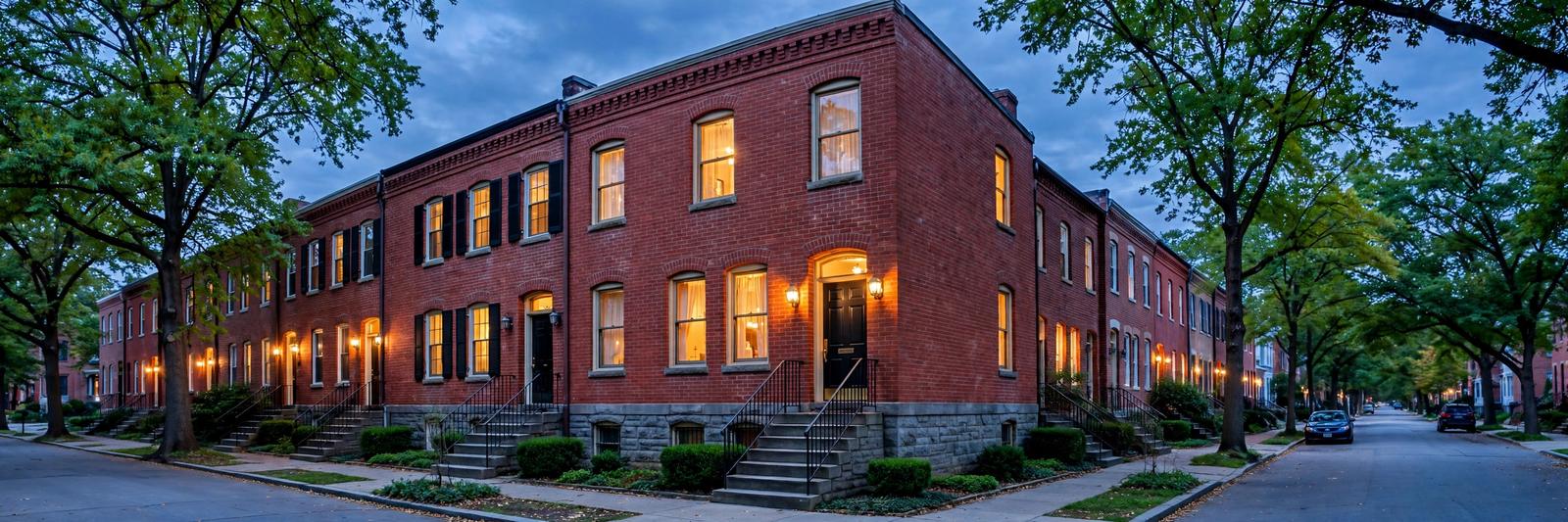
Rubble stone and brick foundations carry many of Washington's oldest houses. How they work, how they fail, and how they should be repaired.
Read the guide →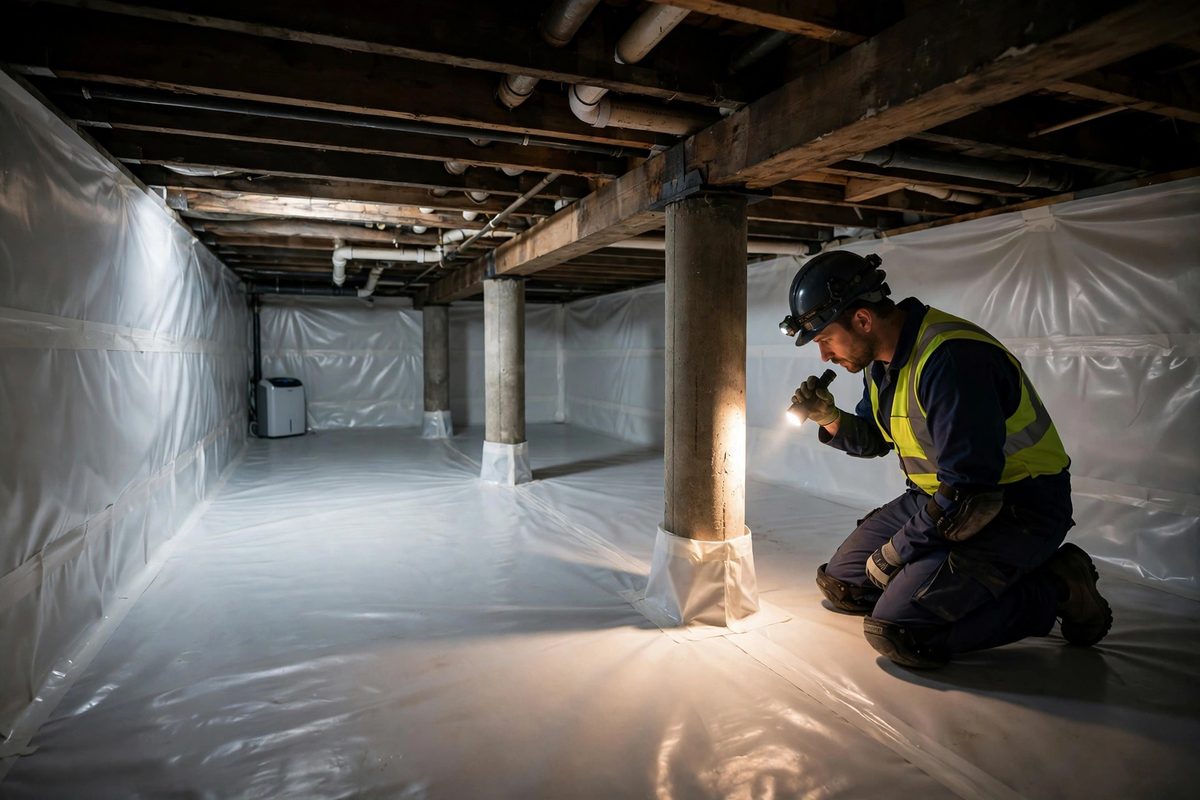
Musty smells, cupping floors, mold and high humidity often start below the house. Tracing upstairs symptoms to crawl space moisture — and fixing the source.
Read the guide →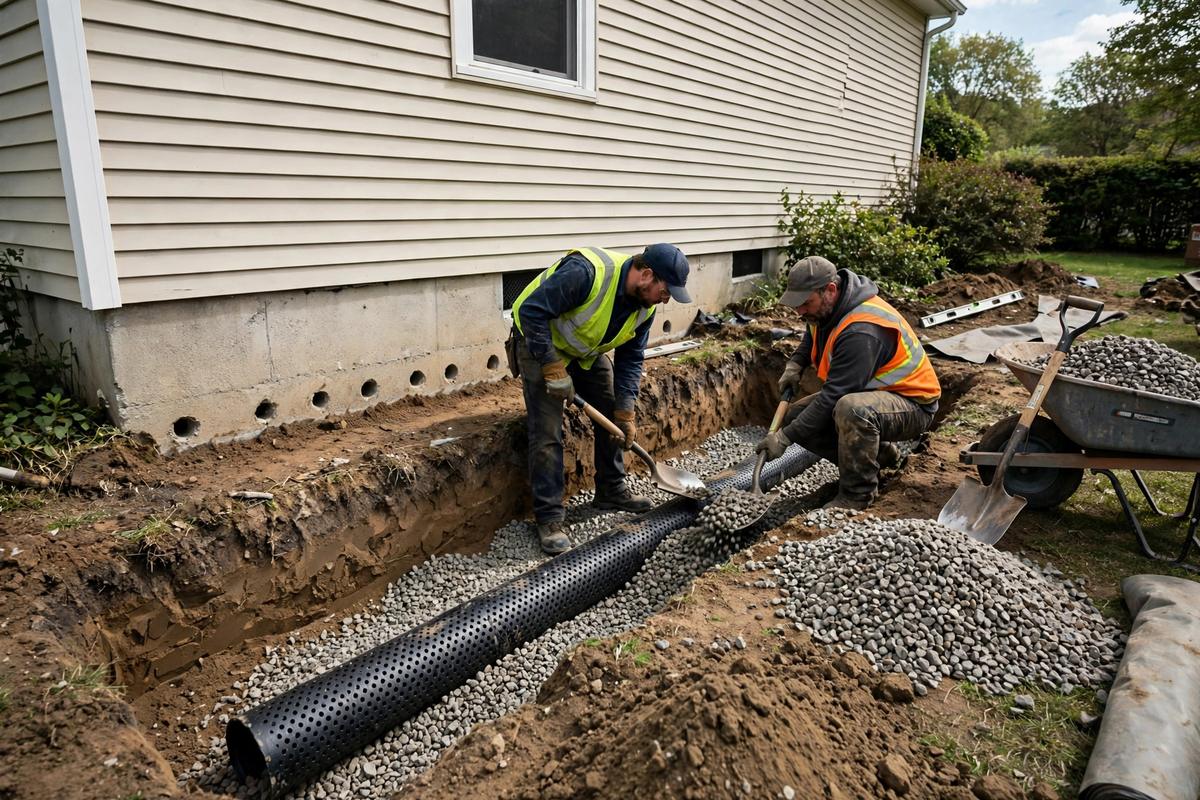
Pooling water, eroded soil, overflowing gutters and soggy ground at the wall: reading the drainage signs around your home before they become foundation damage.
Read the guide → DC Foundation Pros
Call DC Foundation Pros now and we will connect you with an independent local foundation provider in Washington, DC — no pressure, no obligation. Lines are open 24/7.